

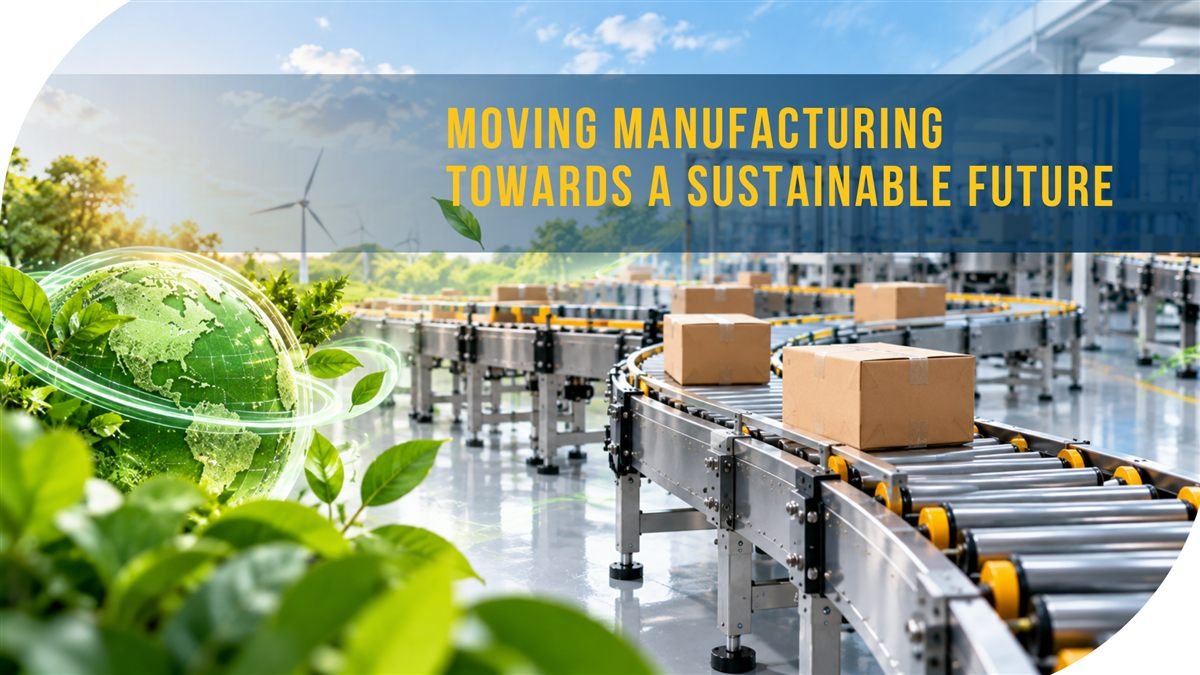
Smarter Conveyor Systems for More Sustainable Operations
Sustainable manufacturing starts with smarter operational choices. Conveyor systems designed for efficient product movement can help manufacturers reduce unnecessary energy consumption, minimise material waste, and improve workflow efficiency. Discover how sustainable material handling is shaping the future of modern manufacturing.
What Is Sustainable Material Handling?
Sustainable material handling focuses on moving, transporting, and managing products within manufacturing facilities while using resources efficiently and minimising environmental impact.
Conveyor systems play an important role in this approach by enabling continuous product movement, reducing unnecessary manual handling, and supporting streamlined production workflows.
For manufacturers looking to improve operational efficiency, choosing the right conveyor system can contribute to more responsible resource utilisation.
Why Is Sustainable Material Handling Important for Manufacturing?
Manufacturers are increasingly looking for ways to improve productivity while managing energy consumption, material waste, and operating costs. Sustainable material handling supports these objectives by making product movement more efficient.
1. Improved Energy Efficiency
Conveyor systems designed for specific applications can help avoid unnecessary movement and energy consumption. For example, gravity roller conveyors use gravity to move compatible products along an inclined or appropriately configured path without requiring a powered drive for that movement.
Selecting suitable conveyor types and optimising their operation can help manufacturers make better use of energy.
2. Reduced Material Waste
Poor product movement and repeated handling can increase the risk of product damage, particularly when handling delicate or packaged goods.
Well-planned conveyor layouts support consistent product flow and can reduce unnecessary transfers, helping manufacturers minimise avoidable damage and waste.
3. Better Use of Floor Space
Efficient conveyor layouts help manufacturers organise product movement between workstations, production lines, and packaging areas. A well-designed system can reduce unnecessary travel paths and support better use of available factory space.
4. Reduced Manual Handling
Conveyor systems can reduce the need for workers to manually move products between operational stages. This can support more consistent workflows, reduce repetitive physical effort, and improve material movement within the facility.
5. Lower Maintenance and Longer Equipment Life
Selecting conveyors suited to the load, operating environment, and production requirements can help reduce avoidable wear and maintenance. Routine inspections and timely servicing also support reliable equipment performance and longer service life.
How Conveyor Systems Support Sustainable Manufacturing
Conveyor systems are an important part of efficient manufacturing operations. The right solution depends on the product being transported, the required throughput, the facility layout, and the operating conditions.
Gravity Roller Conveyors
Gravity roller conveyors move compatible products using gravity rather than a powered drive for the conveying movement. They can be a practical option for suitable applications where a powered conveyor is unnecessary.
Powered Conveyor Systems
Powered conveyors support controlled product movement across production, assembly, and packaging operations. Selecting appropriately sized drives and optimising operating practices can help manage energy use.
Conveyor Layout Optimisation
A carefully planned conveyor layout reduces unnecessary transfers and supports a smoother flow of products between operational stages. This can improve process efficiency and help avoid wasted movement.
Best Practices for More Sustainable Conveyor Operations
Manufacturers can take several practical steps to improve the sustainability of their conveyor systems:
- Choose the right conveyor: Match the system to product dimensions, weight, throughput, and application requirements.
- Optimise conveyor layouts: Minimise unnecessary product transfers and inefficient movement paths.
- Evaluate energy consumption: Select suitable drives and operating controls for powered conveyors.
- Maintain equipment regularly: Inspect rollers, belts, bearings, motors, and other components as applicable.
- Reduce product damage: Ensure appropriate handling and transfer arrangements for the products being conveyed.
- Review operational performance: Identify bottlenecks, unnecessary running time, and opportunities to improve efficiency.
Building More Efficient Manufacturing Operations with Excel Conveyors
Excel Conveyors designs and manufactures conveyor systems that support product movement across manufacturing and industrial applications.
From gravity roller conveyors to application-specific conveyor solutions, choosing the right system can help businesses improve workflow, organise production movement, and make more efficient use of operational resources.
Sustainable material handling is not simply about adopting new equipment. It is about selecting appropriate conveyor systems, planning effective layouts, and maintaining equipment to support dependable performance over time.
Conclusion
Sustainable material handling is becoming an important consideration for modern manufacturing. By improving product flow, reducing unnecessary handling, selecting suitable conveyor systems, and maintaining equipment effectively, manufacturers can work towards more efficient operations.
The future of manufacturing depends not only on producing more, but also on making better use of resources throughout the production process.
Looking for the Right Conveyor Solution for Your Manufacturing Facility?
Get in touch with Excel Conveyors to discuss your requirements.
For business inquiries: sales@econveyors.in
Looking to make your material handling more sustainable? Get in touch with us.